We are analog souls in a digital world.
Neil Gaiman
There was a time when life arrived without notifications. We waited for letters, not replies. We listened to entire albums, often played on a turn table, not just the songs that surfaced on the latest streaming service. We knew phone numbers by heart, trusted memory over storage, and learned patience not as a virtue but as a necessity, fostering deeper connections with those around us as we dedicated time to meaningful conversations rather than quick text exchanges. In those days, we did not endure the constant buzz of digital distractions pulling us away from the here and now.
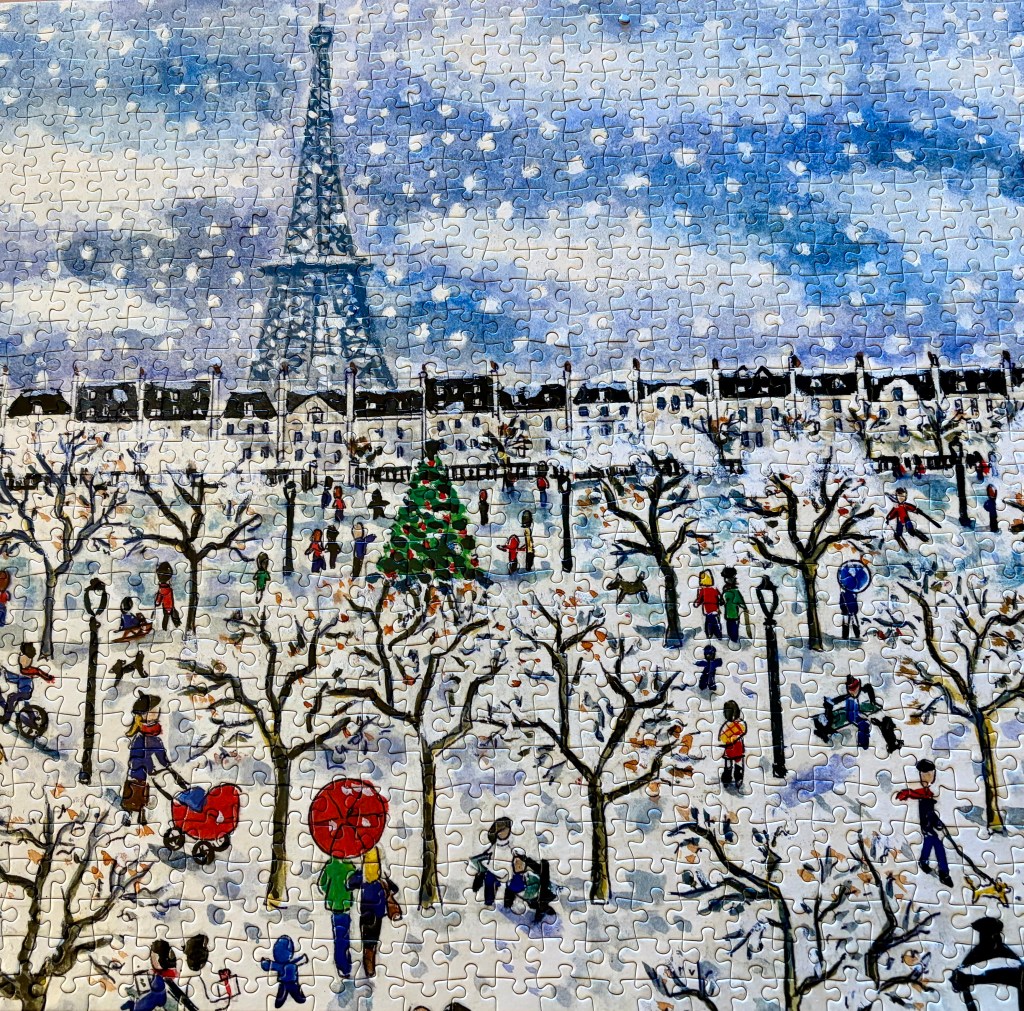
In an analog world, objects held significance. A book contained the creases of your focus, while a record bore the faint scratches of having been cherished. A puzzle consisted of pieces laid out on a table to be time consumingly fit together. Photographs resided in boxes, not in the ethereal realm of the clouds. When you held one, you possessed a moment that had endured solely because someone had taken the time to preserve it in an album, affixed to the page with tiny black tabs known as photo corners.
We weren’t bombarded with constant news updates, but we were genuinely engaged. News was delivered daily, sometimes weekly. I recall my grandmother eagerly waiting for the morning newspaper to arrive. Before the advent of television, the kitchen counter often had a radio playing, providing the latest news and music. You could finish your thoughts without the distraction of someone scrolling through their phone.
There was a sense of intimacy in not knowing right away. It was a reminder that life unfolds at its own pace. If you missed a call, you didn’t panic. Allowing yourself a moment of thought before returning the call when you were ready. If you were bored, you simply sat with it—and often discovered something quietly essential in the stillness. You might have discovered a thought otherwise remained buried beneath the noise of constant distraction. In those tranquil moments, you found clarity and connection.
Analog culture allowed room for imperfection. Smudged ink. Crossed-out sentences. Awkward pauses in conversation. These weren’t flaws to be corrected—they were proof that something real had transpired. In a world where everything seems crisp and polished, we often overlook the beauty that lies in the rough edges of our experiences. And perhaps that is what we miss most. Not the objects themselves, but the pace they demanded. The way they insisted we slow down enough to notice one another, to engage, and to appreciate the subtleties of human connection.
In a world increasingly dominated by rapid digital interactions, we find ourselves longing for the immersive experiences that analog mediums offered. There is a profound richness in the tactile sensations of holding a book, the warmth of a handwritten letter, or the unfiltered conversations shared in person. Each of these experiences fosters a deeper understanding and appreciation of our interactions, reminding us that true engagement requires time, patience, and a willingness to be fully present. Traits that it would not hurt to encourage in a digital society.
Peace be with you.
 Aging with Grace
4 responses to “A Time Before Digital”
I still write and send cards and I write little notes to my daughters. Out of commodity I read the newspaper on my phone in the morning during the week but on Sunday I always buy the paper version.
Digital is good and easy but when it’s too much is too much.
And rely particularly to what you wrote about being informed straight away, now that we can reach news in real time we are somehow less interested in it than when we need to wait.
LikeLike
I’m glad this resonated with you. Like you I still try to honor the analog world in whatever ways I can. ❤️
LikeLike
thank you for this wonderful post. So much for this rings true. these days everything has to be known instantly because of our phones and the technology. People are not used to being in that special place of not knowing what’s going on or having to wait for something and I think that’s a shame. We’ve forgotten more light to be still and just BE. thank you again.
LikeLike
You are right. There is a need today for everything to be instant, There’s no time for reflection. ❤️
LikeLike